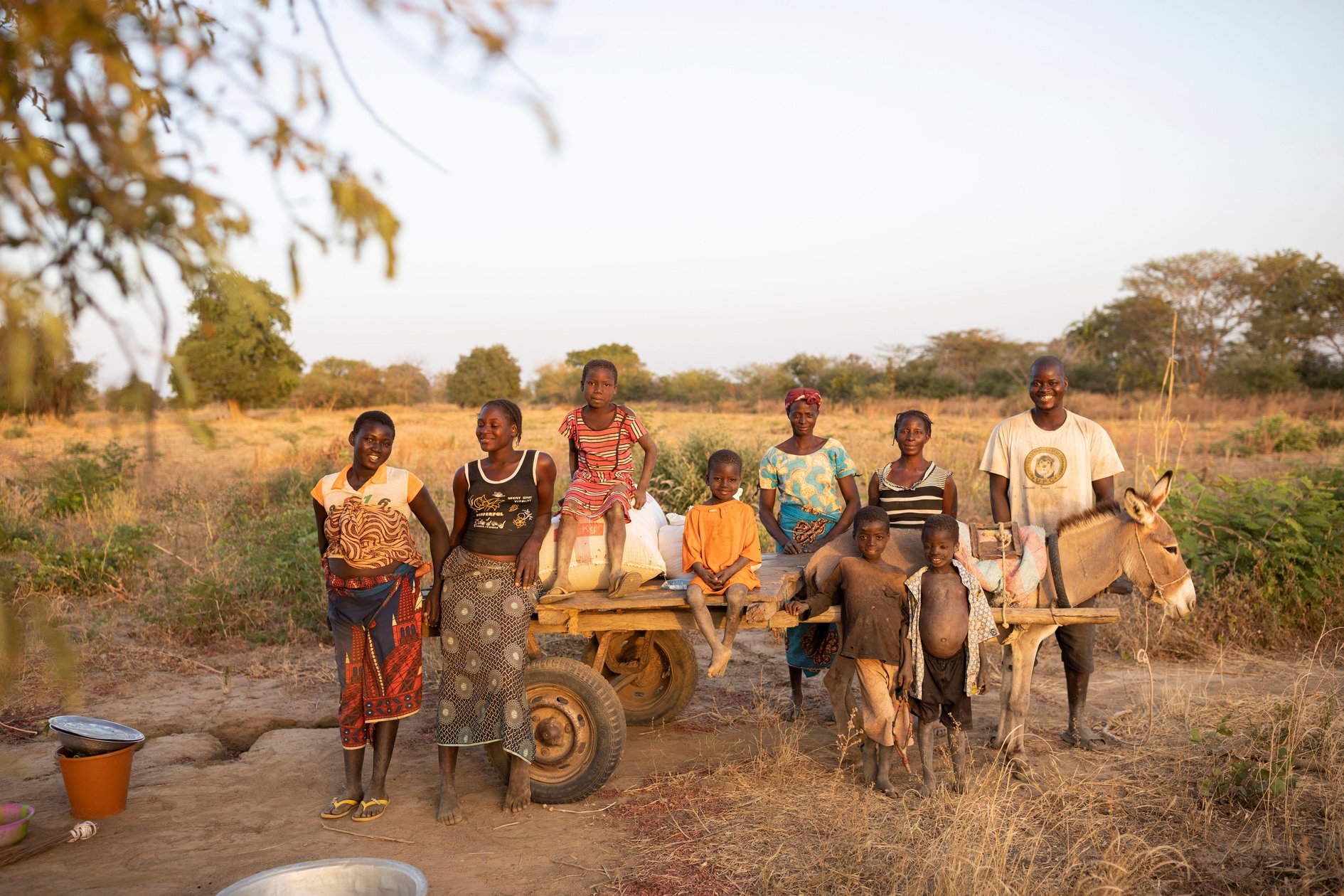
Support local farmers in Chad:
The story of Kadi Moundengar
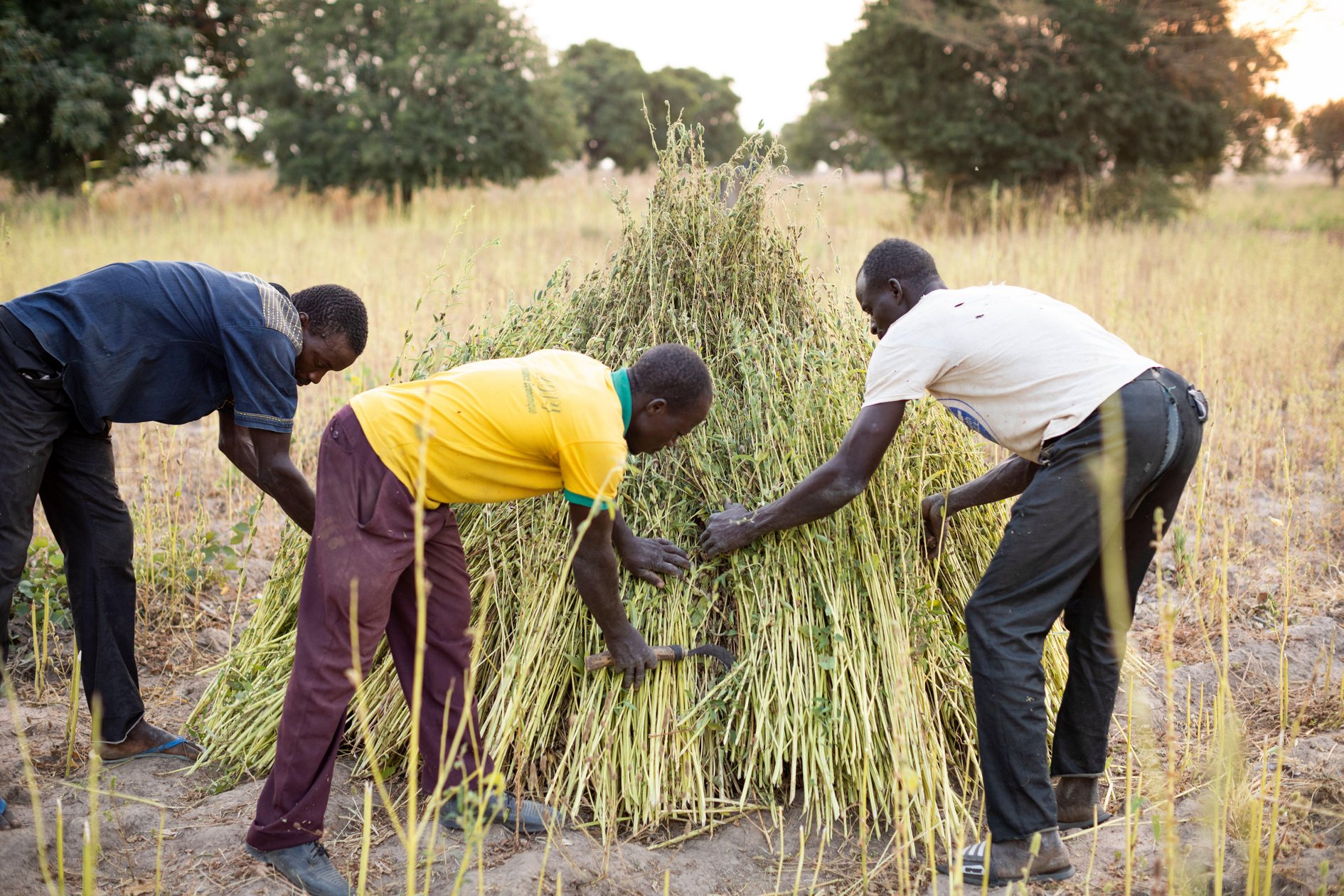
My name is Kadi Moundengar and you see me standing here in front of my sesame field. It is October and the yields this year are good, above expectations actually. Together with my wife and three of our children we have also worked hard in our fields and the rainfall has been adequate.
Every year it is uncertain what yield we will get, since soil fertility has been declining. In the past the soil was in better condition, rich with organic matter. Even if the rains did not fall for a few days, the crop was not affected since the soil was better able to cope with drought and the water in the soil was better used. Now that is no longer the case. I have no money to maintain my soil because even a good sesame production does not provide me with enough money to properly support my family.
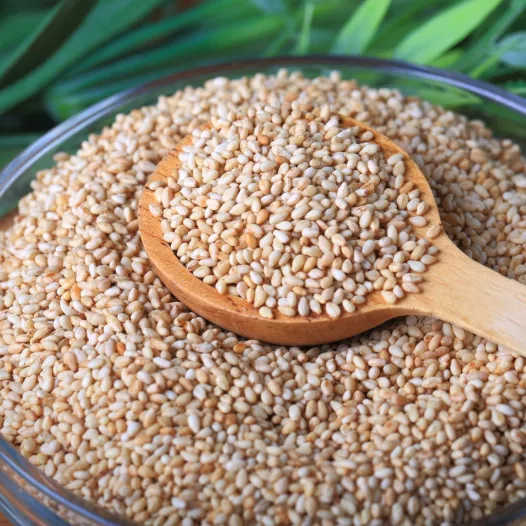
Sesame is our main source of income. Other crops that we also grow, such as corn, peanuts and millet are mainly for our own food supply. Cotton used to play a prominent role provided our family with income as a cash crop. However, now it is sesame. As a crop sesame is not too demanding and does not require too much cost investment as cotton did, but where it goes wrong is: how do I sell my sesame for a good price?
“I have no money to maintain my soil because even good sesame production does not provide me with enough money to properly support my family.”
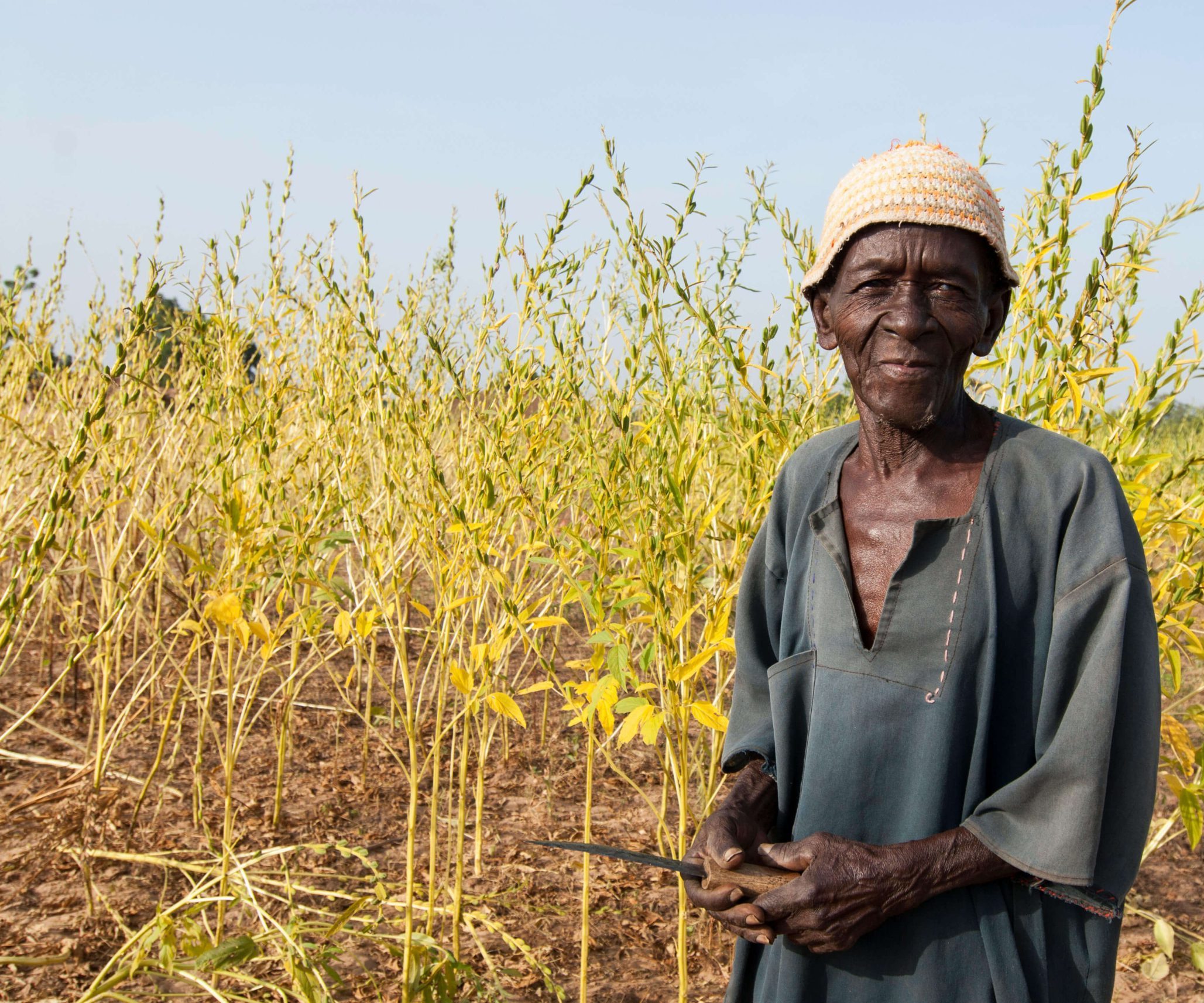
The story of Kadi Moundengar (continued)
Take this year for example. The harvest that you see behind me is no longer entirely mine, I have already sold a large part of it to Moussa. In the rainy season he gave me a loan because I had no money for the medical treatment of my daughter. Thanks to Moussa’s loan, an amount of 20,000 FrCFA (€30.00), I was able to pay for transport and the costs of the hospital here 40 km away. Fortunately my daughter is doing well again but yes, I have now lost part of my harvest. Moussa gave the loan on the condition that he could come and collect two bags of sesame from the field during the harvest. So I sold it for 10,000 FrCFA for a bag. Actually that is far too little money because now at the market a bag of sesame costs 40,000 FrCFA. But yes, I had no choice because I needed money.
How great would it be if we could sell our sesame in a better way, for a higher price. If that were possible, I would like to put aside part of my income, to ensure that my soil remains in good condition and our sesame production remains at a sufficient level in the long term.
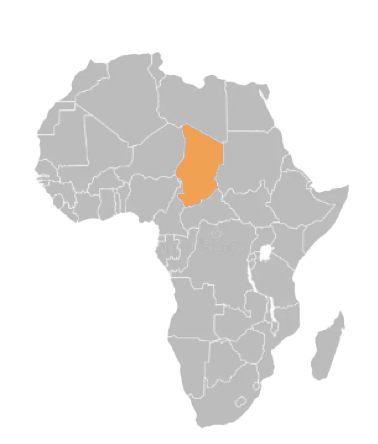
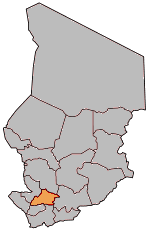
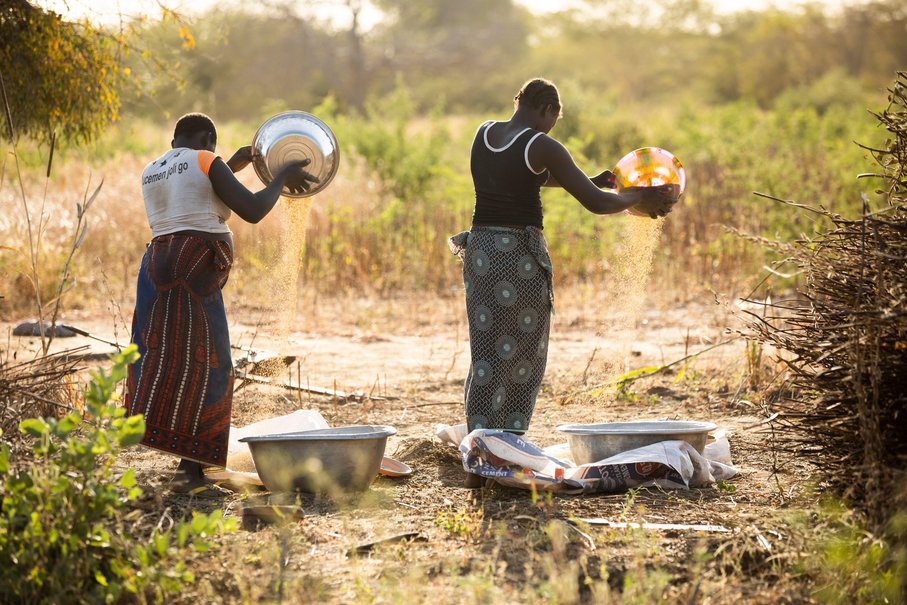
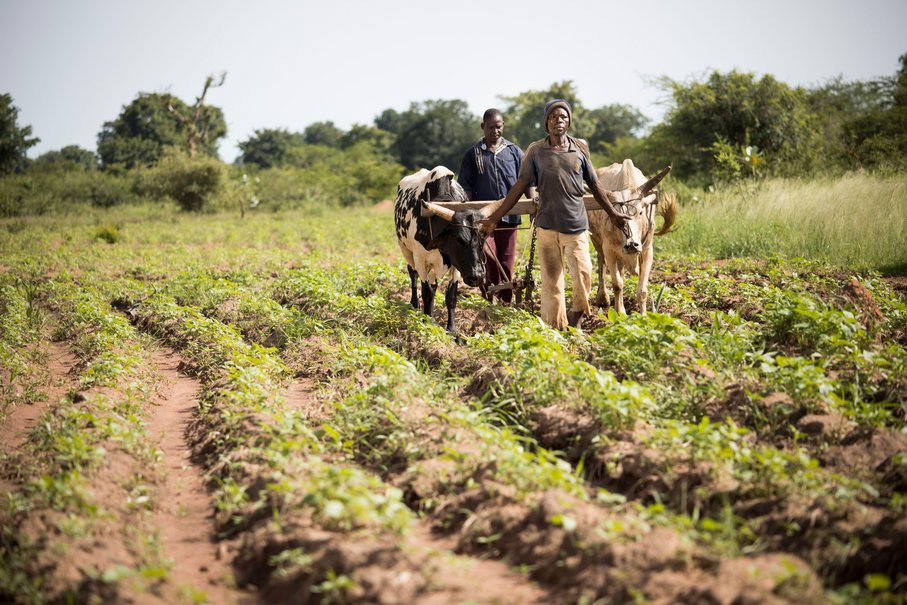
In Chad, farming and livestock are the backbone of the economy. About 80% of the population depends on farming for their livelihood. The agricultural sector is characterized by small-scale, subsistence farming. The main crops are millet, sorghum, sesame, maize, and peanuts.
Southern Chad has more fertile soil, but irrigation projects remain limited. The government and international organizations are trying to improve agricultural production through investments in irrigation, improved seeds and modern agricultural techniques.
In recent years, interest in commercial agriculture has grown, partly due to foreign investment and initiatives to increase productivity. However, infrastructure remains a major challenge; many farmers struggle to transport their produce to markets.
About helping Chad
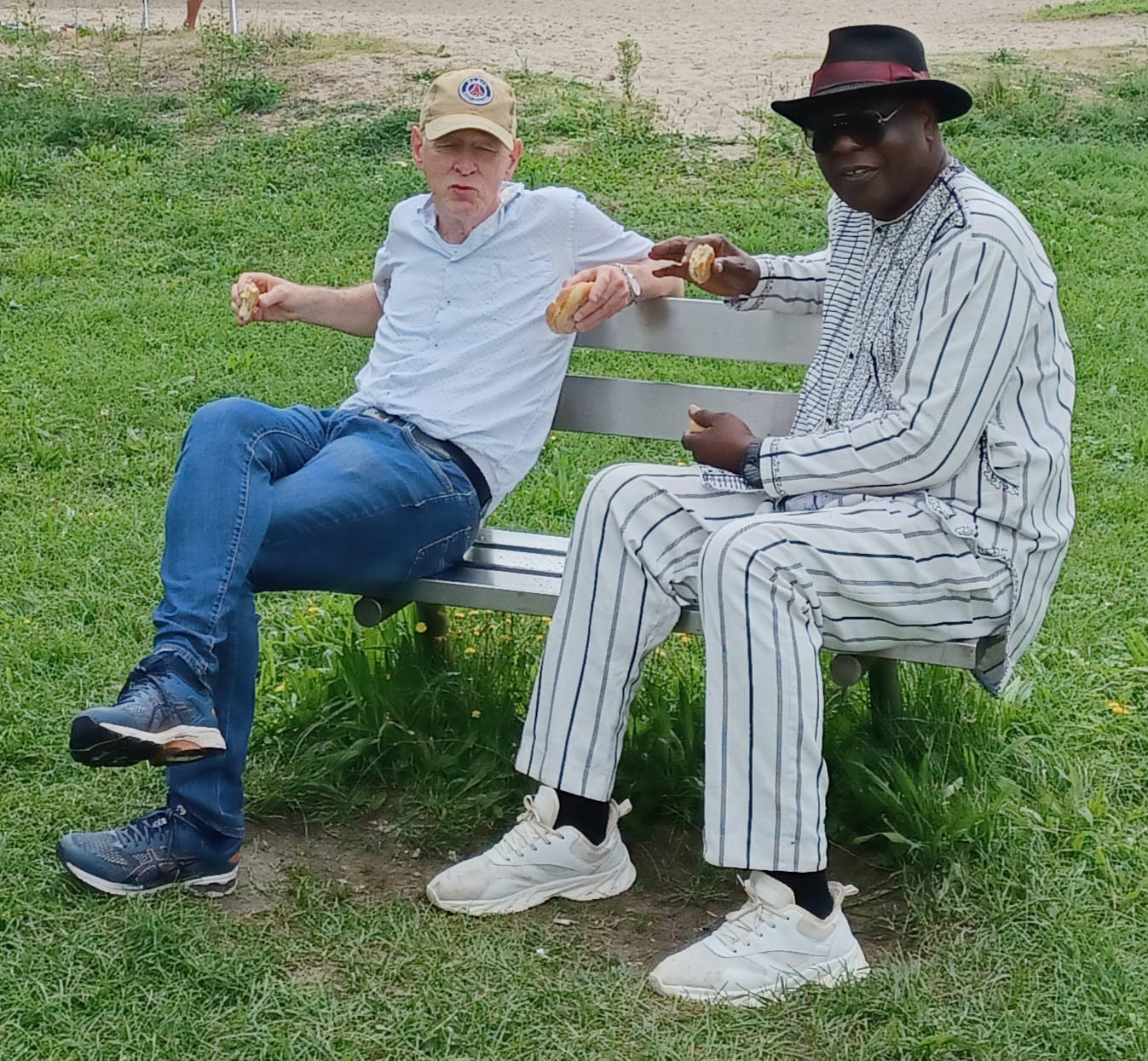
Marius Stehouwer together with Djikoloum Magourna, August 2023.
Djikoloum Magourna’s visit to the Netherlands led to the establishment of the Foundation. Read more about this in our POLICY PLAN.
Sesame has great potential as a cash crop and can partly take over the role of cotton. Research by IDH (Sustainable Trade Initiative) shows that the sector is growing and that sufficient land is available. However, farmers face problems such as low soil fertility, a weak market position and a lack of cooperation between market parties.
The project focuses on four important improvements:
- Establish farmers’ associations in selected cantons so that they can collectively negotiate a better price for their sesame.
- Strengthen local support by staffing in Chad, led by project manager Marius Stehouwer and his local contact person Ladibé Luc.
- Improving the trade chain by identifying market opportunities and establishing partnerships with reliable trading partners.
- Secure sustainable financing so that improvements can continue after 2026.
The Foundation works together with existing organisations such as Belacd (Catholic development organisation) and Anader (government agricultural service). The project is inspired by Christian values and focuses on hope, justice and cooperation.
With this project, the Foundation hopes not only to increase farmers’ incomes, but also to strengthen the local community and sustainably improve the future of the sesame sector in southern Chad.
Foundation for economic area development in Chad
Helping Chad is a project of the Foundation for economic area development in Chad and is described in the project plan "Towards a higher price for the farmer".
Foundation for economic area development in Chad:
- E-mail: contact@helpingchad.org
- Telephone: 00 31 62710 2458
- Address: Vogelweide 78 – 3815 HD Amersfoort, The Netherlands
- Chamber of Commerce number: 94094195
- Charitable status number: 8666.33.480
- Bank: NL53 RABO 0386 6081 21
- https://helpingchad.org
- https://hulpaantsjaad.nl
- https://aiderletchad.fr